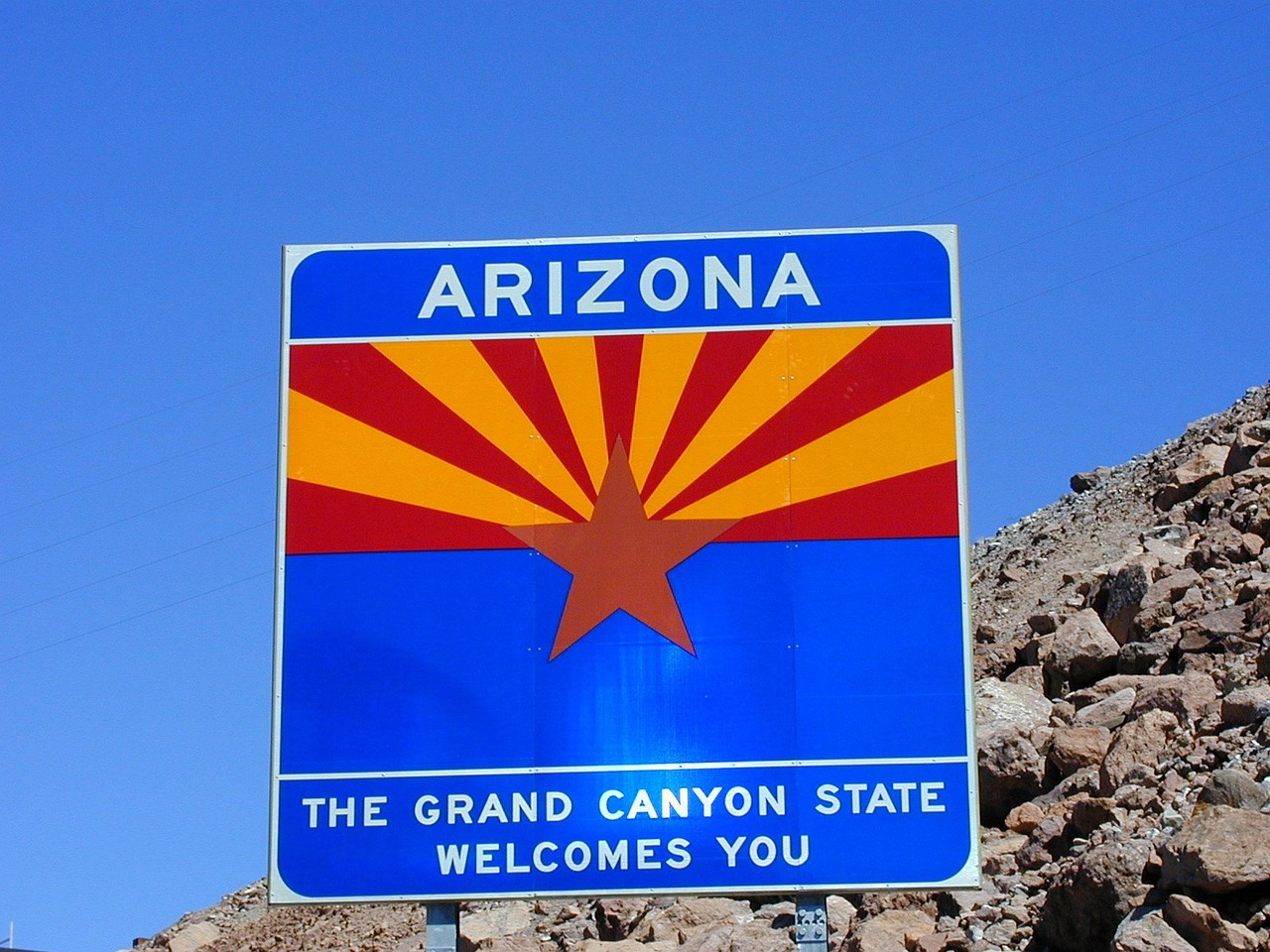
In the dynamic real estate landscape, navigating the intricate process of buying or selling a home can be both exhilarating and daunting. For those seeking guidance in Arizona, the Arizona State Museum stands as a beacon of expertise, offering invaluable insights that transcend the mere transaction. Understanding the local market, recognizing hidden opportunities, and anticipating future trends are crucial skills in today's competitive environment. This article provides strategic advice from seasoned professionals, enabling you to make informed decisions with confidence, just as the Arizona State Museum illuminates the rich tapestry of Arizona's cultural heritage.
- Understanding Arizona Real Estate Market Trends
- Mastering Property Valuation Techniques for Accurate Pricing
- Navigating Legalities and Ethical Practices in Real Estate Sales
Understanding Arizona Real Estate Market Trends
Understanding Arizona's Real Estate Market Trends is crucial for anyone navigating its vibrant landscape, whether you're a seasoned investor or a first-time buyer. This state boasts diverse markets, from bustling metropolitan areas like Phoenix to more tranquil suburban communities, each with unique characteristics that influence property values and availability. According to recent data from the Arizona State Museum, the state has experienced consistent growth over the past decade, with an average annual increase in home sales of 5%. This positive trend is driven by a combination of factors, including favorable weather conditions, a robust economy, and a growing population attracted by the region's affordable living.
One notable aspect to keep in mind is the disparity in market trends across different regions within Arizona. For instance, areas surrounding the iconic Arizona State Museum Golf Course have seen significant appreciation due to their proximity to top-tier amenities and recreational opportunities. These markets tend to be more competitive, with a higher demand for properties that offer convenient access to golf courses, natural reserves, and cultural attractions. In contrast, remote or rural areas may experience slower growth but offer unparalleled peace and tranquility, making them appealing alternatives for those seeking a quieter lifestyle.
To stay ahead in Arizona's dynamic real estate market, agents and buyers alike should closely monitor local trends, participate in ongoing industry discussions at forums like the Arizona State Museum events, and leverage advanced data analytics to predict future movements. Diversifying investments across various micro-markets within the state can also mitigate risks and maximize returns. Remember, understanding the unique dynamics of each region is not just about making informed decisions; it's about securing your place in one of America's most desirable and diverse real estate landscapes.
Mastering Property Valuation Techniques for Accurate Pricing
Mastering property valuation techniques is an art that distinguishes top real estate professionals. In a market as dynamic as Arizona, where the landscape ranges from desert plains to vibrant cities like Phoenix—home to the renowned Arizona State Museum and its diverse cultural offerings—accurate pricing is crucial. Realtors must transcend simple square footage calculations to understand the intricate factors influencing property value. This involves delving into comparable sales analysis, considering neighborhood dynamics, and factoring in unique attributes like a golf course view or proximity to the Arizona State Museum.
For instance, properties with desirable amenities such as golf course access or scenic views command premium prices. According to recent data, homes offering panoramic views of the city skyline or nestled along pristine fairways experience higher sale rates within weeks of listing compared to comparable properties without these features. Expert appraisers also emphasize the importance of understanding market trends and historical pricing data specific to each neighborhood. By analyzing sales records at the Arizona State Museum area and surrounding neighborhoods, agents can predict price movements and position listings accordingly.
Practical advice for mastering property valuation includes attending specialized training programs focused on appraisal methods and staying abreast of local market conditions. Utilizing advanced digital tools designed for comparative analysis streamlines the process while ensuring accuracy. Incorporating these techniques allows realtors to provide clients with precise property valuations, enhancing trust and ultimately facilitating smoother transactions. Whether listing a condominium in the heart of downtown Phoenix or a suburban estate with a golf course view, understanding valuation fundamentals ensures every sale is a success story, reflecting the diverse allure of Arizona's real estate landscape.
Navigating Legalities and Ethical Practices in Real Estate Sales
Navigating legalities and ethical practices is a cornerstone of successful real estate sales. In Arizona, where the Arizona State Museum Golf showcases the state's rich cultural heritage, understanding the intricate web of regulations and moral standards can make or break a transaction. One misstep could lead to significant fines, license revocation, or even lawsuits, underscoring the paramount importance of adherence to both letter and spirit of the law.
Realtors in Arizona must be adept at interpreting and complying with state and local laws governing property sales, including disclosure requirements, fair housing practices, and financing regulations. For instance, buyers and sellers alike are entitled to specific information regarding property condition, zoning, and potential environmental hazards, all of which can be substantiated through thorough inspections and documented disclosures. Failure to provide this information accurately and comprehensively can lead to legal repercussions, as evidenced by recent cases at the Arizona State Museum Golf where transparency was key in resolving disputes.
Ethical conduct is equally vital. Honesty, integrity, and fairness are not merely buzzwords; they form the bedrock of client trust and long-term professional success. Arizona's real estate industry is closely regulated to prevent conflicts of interest, ensure equal access to opportunities, and protect consumers from deceptive practices. Adhering to these guidelines fosters a transparent market where buyers and sellers can make informed decisions, bolstered by the knowledge that their best interests are being served. Moreover, maintaining high ethical standards builds a positive reputation, attracting both repeat clients and referrals within the Arizona State Museum Golf community and beyond.
To ensure legal compliance and ethical conduct, real estate professionals should stay abreast of legislative changes, attend continuing education workshops, and seek guidance from industry associations or legal advisors when navigating complex situations. Regular self-assessment and reflection on one's practices can also help identify areas for improvement, ensuring that the Arizona State Museum Golf remains a vibrant and trustworthy hub for real estate transactions.
1. Market Trends in Arizona: The state's real estate market has seen consistent growth (5% avg. annual increase) driven by favorable weather, economy, and affordable living. Disparities exist between regions; areas near the Arizona State Museum Golf Course have significant appreciation due to amenities, while remote areas offer tranquility. Diversifying investments across micro-markets mitigates risk and maximizes returns.
2. Property Valuation Techniques: Experts go beyond square footage using comparable sales analysis, neighborhood dynamics, and unique attributes like views or golf course access. Data on sales at the Arizona State Museum area helps predict price movements. Training, digital tools, and local market knowledge are crucial for accurate valuations.
3. Legalities & Ethical Practices: Adhering to state and local laws, including disclosure requirements, fair housing practices, and financing regulations, is essential. Ethical conduct—honesty, integrity, fairness—builds client trust and long-term success. Staying informed about legislative changes and seeking guidance from industry experts ensures legal compliance and high ethical standards.