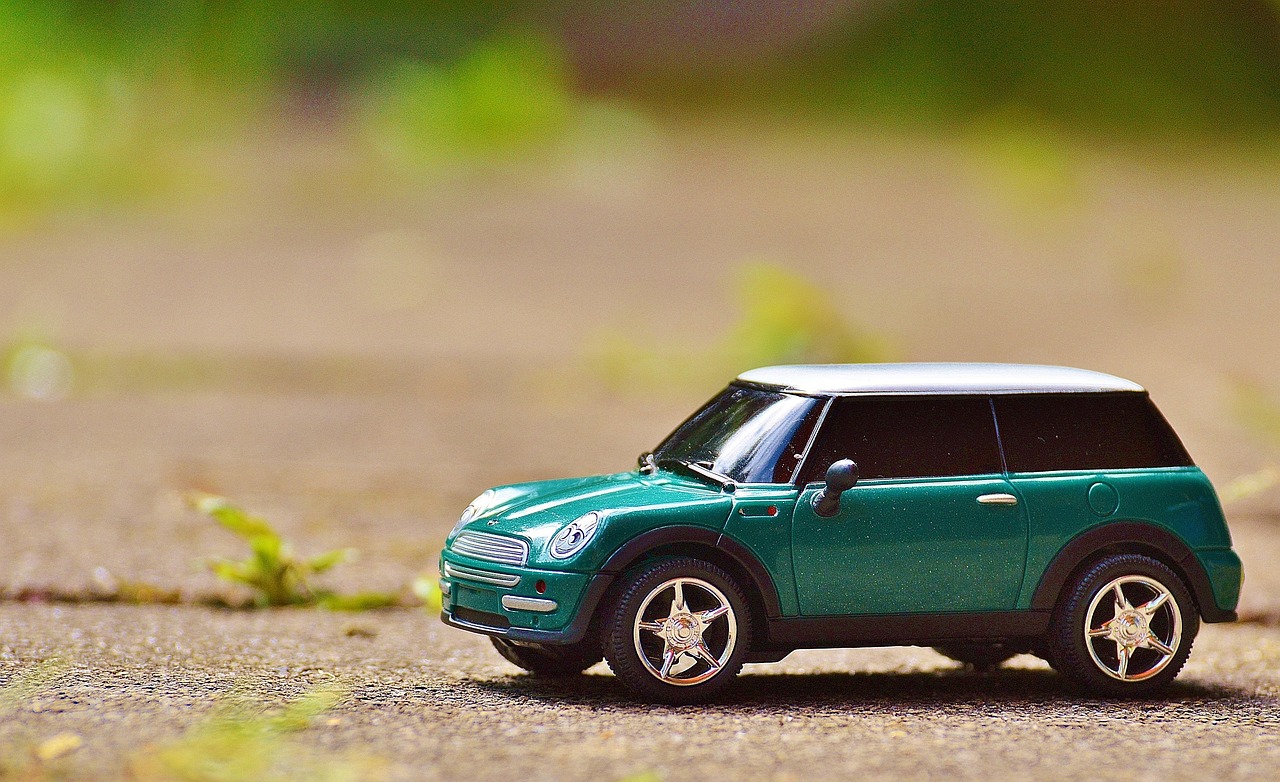
In today's competitive market, creating an immersive experience at your Mini Time Machine Museum of Miniatures is key to captivating visitors and leaving a lasting impression. Understanding the art of storytelling through miniature scenes can transport guests into a world where time seems to stand still—a goal that every museum aspires to achieve. This article provides a comprehensive guide for sellers aiming to elevate their exhibits, offering valuable tips on curating, designing, and presenting miniature dioramas that function as a Mini Time Machine Museum of Miniatures. By implementing these strategies, you'll create an enchanting experience that resonates with visitors, making your museum a destination that returns time and again.
- Crafting Authentic Environments for Your Mini Time Machine Museum
- Mastering Miniature People: Depicting Life in Tiny Scale
- Illuminating Your World: Lighting Techniques for Miniature Display
Crafting Authentic Environments for Your Mini Time Machine Museum
Creating an immersive experience is a powerful strategy to captivate visitors at your Mini Time Machine Museum of Miniatures Golf. One of the key aspects that sets apart truly exceptional museums from ordinary ones is their ability to craft authentic environments. This involves more than just arranging models; it entails transporting visitors to different time periods and places, evoking a sense of history coming alive. For instance, consider transforming a gallery into a Victorian-era town square, complete with intricate streetlamps and horse-drawn carriages. By paying meticulous attention to detail, from the architecture to the smallest ornamental pieces, you recreate an era that visitors can step into and explore.
The Mini Time Machine Museum of Miniatures Golf offers a unique opportunity to engage diverse audiences by curating themed exhibits. Whether focusing on specific historical events, cultural milestones, or even fantastical worlds, each exhibit should have a distinct character. For example, a display dedicated to ancient Egypt could include miniature pyramids, temples, and lifelike figures engaged in daily activities. Incorporate interactive elements like touch screens providing historical facts or audio guides narrating stories from that era. Such immersive experiences not only educate but also inspire wonder and curiosity among visitors of all ages.
Achieving authenticity requires a blend of creativity, research, and collaboration with experts. Consult historians, architects, and artists to ensure the accuracy of your representations. Utilize high-quality materials and precise craftsmanship for models and sets. Regularly update exhibits to reflect new discoveries or interpretations, keeping your museum dynamic and relevant. For instance, the Mini Time Machine Museum of Miniatures Golf could showcase evolving urban landscapes, from traditional villages to modern metropolises, providing a visual journey through time. By consistently delivering authentic experiences, your museum will establish itself as a trusted source for historical exploration on miniature scales.
Mastering Miniature People: Depicting Life in Tiny Scale
Mastering miniature people is a captivating art form, allowing artists to craft incredibly detailed scenes in tiny scales—a skill on full display at the Mini Time Machine Museum of Miniatures. This remarkable museum features an extensive collection of meticulously crafted miniatures, offering visitors a glimpse into a world where every detail is minutely considered. From historical reenactments to fantastical landscapes, these miniature people tell stories that transport viewers to different eras and settings.
Creating such intricate works requires a deep understanding of human anatomy, perspective, and lighting—all while working on an immensely reduced scale. Artists must employ advanced techniques to convey movement, emotion, and depth in these tiny scenes. For instance, using strategic shading and highlighting can bring a sense of three-dimensionality to a miniature diorama, making it appear more lifelike. Additionally, paying attention to minute details such as clothing textures, facial expressions, and props enhances the overall realism. The Mini Time Machine Museum of Miniatures Golf showcases an entire gallery dedicated to these intricate masterpieces, providing inspiration and insight into the technical aspects of miniature crafting.
Practical tips for aspiring artists include investing in high-quality tools designed specifically for miniature work, as they enable greater precision. Study classical art techniques and apply them to miniatures, focusing on composition and lighting. Join online communities or local clubs where enthusiasts share knowledge and provide constructive feedback. Regular practice is essential; start with simple scenes and gradually take on more complex projects. The Mini Time Machine Museum of Miniatures serves as a testament to the incredible possibilities that emerge when artists embrace the challenge of miniaturization, crafting miniature time machines that transport us across space and time.
Illuminating Your World: Lighting Techniques for Miniature Display
Creating an immersive experience at the Mini Time Machine Museum of Miniatures requires a keen eye for detail, and one of the most critical elements is lighting. Lighting techniques can transform a miniature diorama into a captivating scene that comes to life before visitors' eyes. The goal is to illuminate your world in a way that enhances the narrative and draws guests deeper into each meticulously crafted exhibit, much like the magical atmosphere at the Mini Time Machine Museum of Miniatures Golf.
Consider the various lighting options available. Natural light from windows can dramatically affect the ambiance, creating depth and shadows or bright, warm tones depending on the time of day simulated in the display. For instance, a vintage village scene might benefit from soft, diffused sunlight to mimic morning light, while a medieval castle could be enhanced by starker, more dramatic lighting to emphasize its grandeur at dusk. When using artificial lights, strategic placement is key. Small LED lights can be hidden within miniature structures to provide focused illumination on specific details, such as the intricate carvings on a furniture piece or the glowing embers in a fireplace. Overhead tracks or hidden spotlights can create dynamic shadows and highlight different aspects of a scene at various times throughout the day, much like how the Mini Time Machine Museum of Miniatures Golf uses lighting to set the mood for each hole.
Experimentation is an essential part of mastering lighting design. Take inspiration from the museum's overall aesthetic and adapt it to suit different themes. For example, creating depth in a 1920s art deco display could involve using high-key lighting with sharp shadows, while a steampunk exhibit might incorporate low-key lighting with dramatic backlighting to emphasize mechanical elements. By understanding how light interacts with scale, you can make each miniature scene sing—just as the Mini Time Machine Museum of Miniatures itself does with its stunning collection. Regularly test different setups during off-hours or early mornings to refine your approach and ensure guests experience the best that these intricate displays have to offer.
The Mini Time Machine Museum of Miniatures Golf creates immersive experiences through authentic environments, themed exhibits, and interactive elements. It establishes itself as a historical exploration hub by curating accurate, dynamic displays. The museum's success lies in blending creativity, research, and collaboration with experts to deliver unique, captivating miniature worlds.
Miniature people art is showcased, highlighting technical mastery and storytelling through tiny scenes. Artists embrace challenges, employing advanced techniques and tools for realism. Online communities and practice aid in honing skills, resulting in intricate miniature time machines that transport viewers across space and time.
Lighting design is crucial for immersive experiences, enhancing narratives with natural and artificial lighting. Strategic placement creates depth, shadows, and ambiance, much like the museum's overall aesthetic. Experimentation and understanding light interaction at miniature scales elevate displays, ensuring guests experience captivating scenes.